
Our Sustainable Art Process for Biophilic Interiors
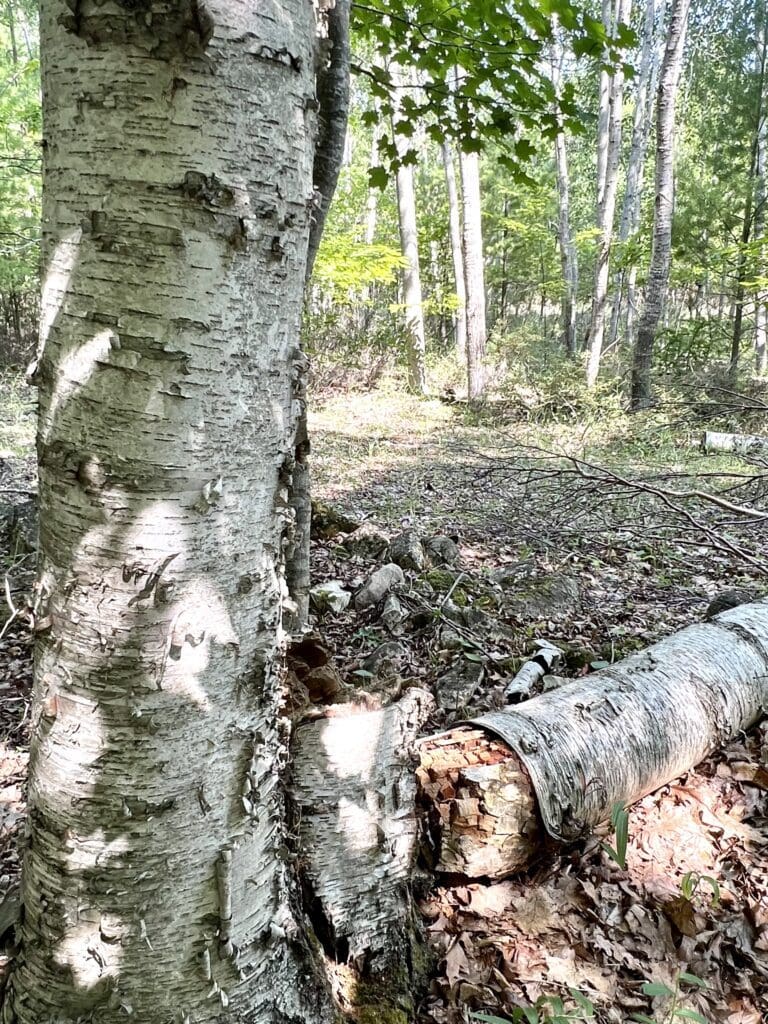
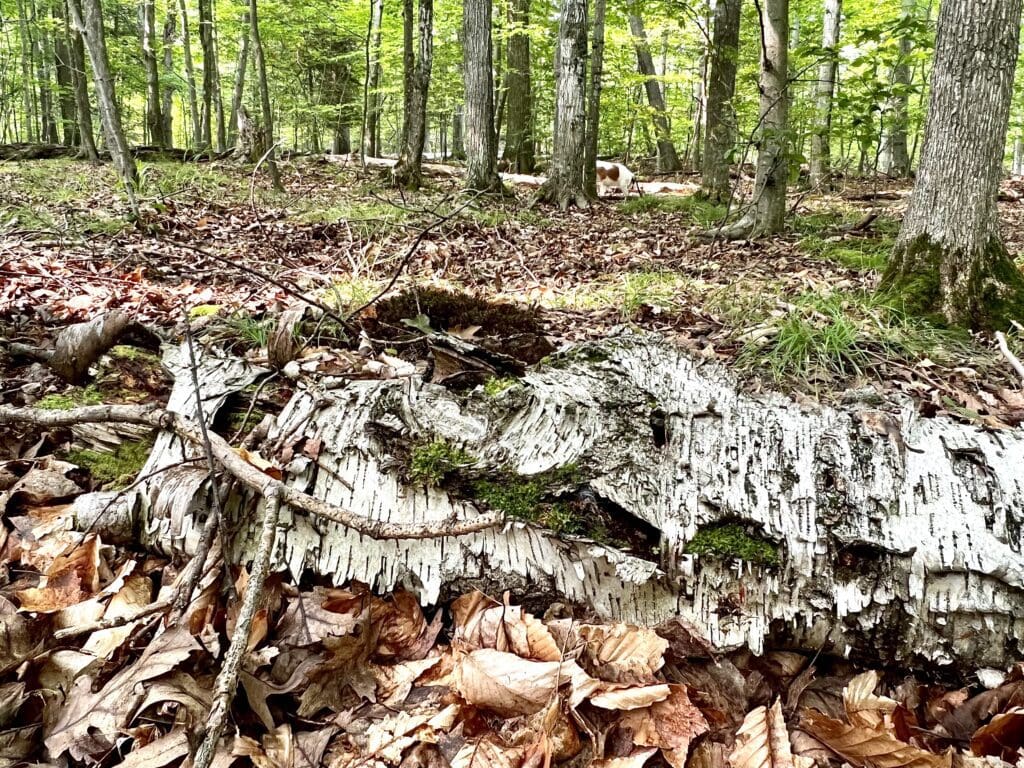
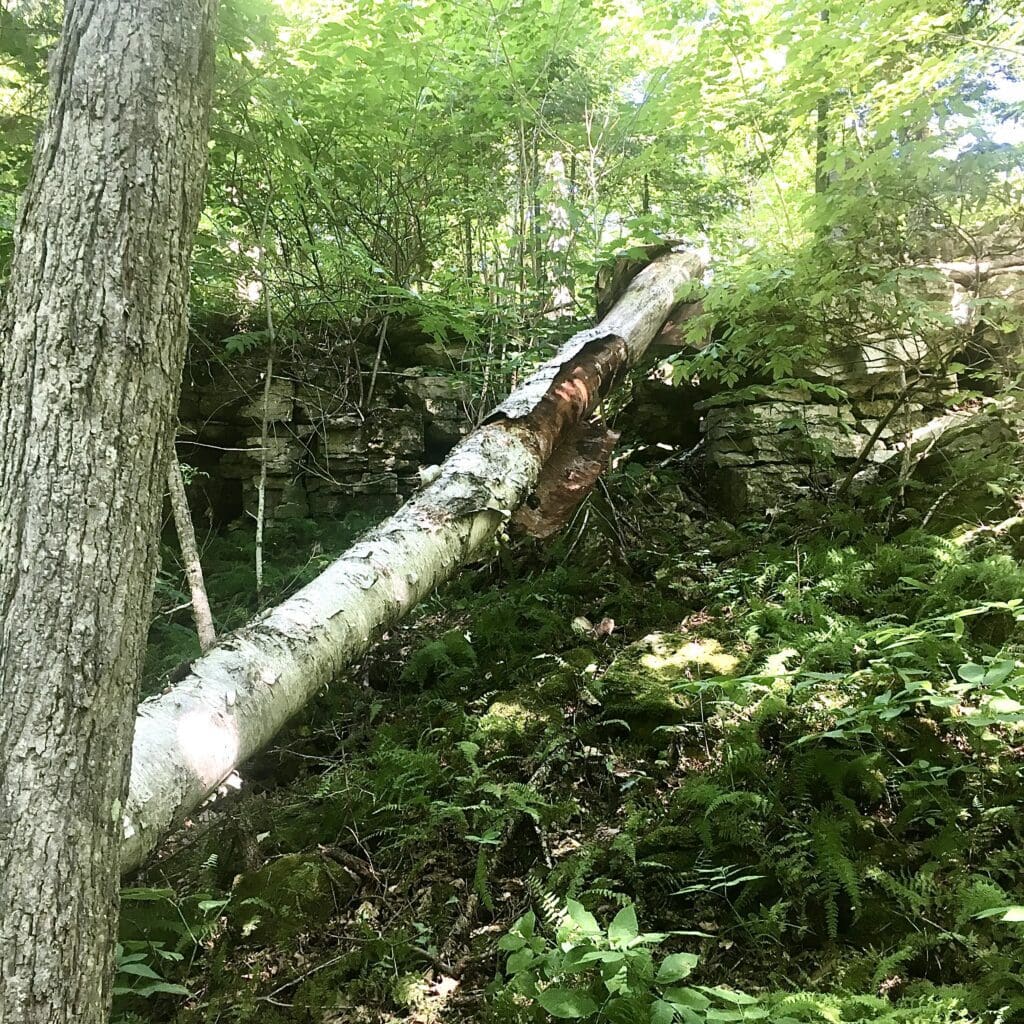
My process begins with foraging bark from fallen trees. My sister-in-law owns property in Door County, Wisconsin, where birch and poplar forests abound. While walking her land, I discovered large sections of bark scattered across the forest floor — remnants of trees that had long since decomposed, leaving their bark intact as the rest of the trunk became one with the earth. With her permission, I gathered some pieces and brought them back to my studio in Illinois.
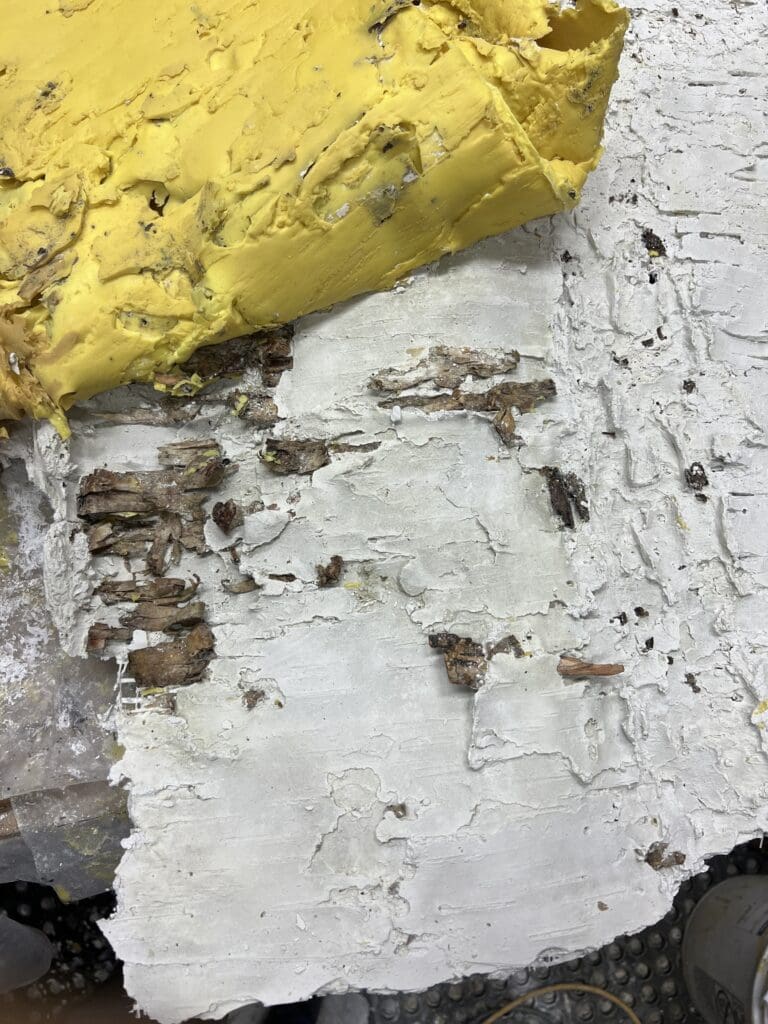
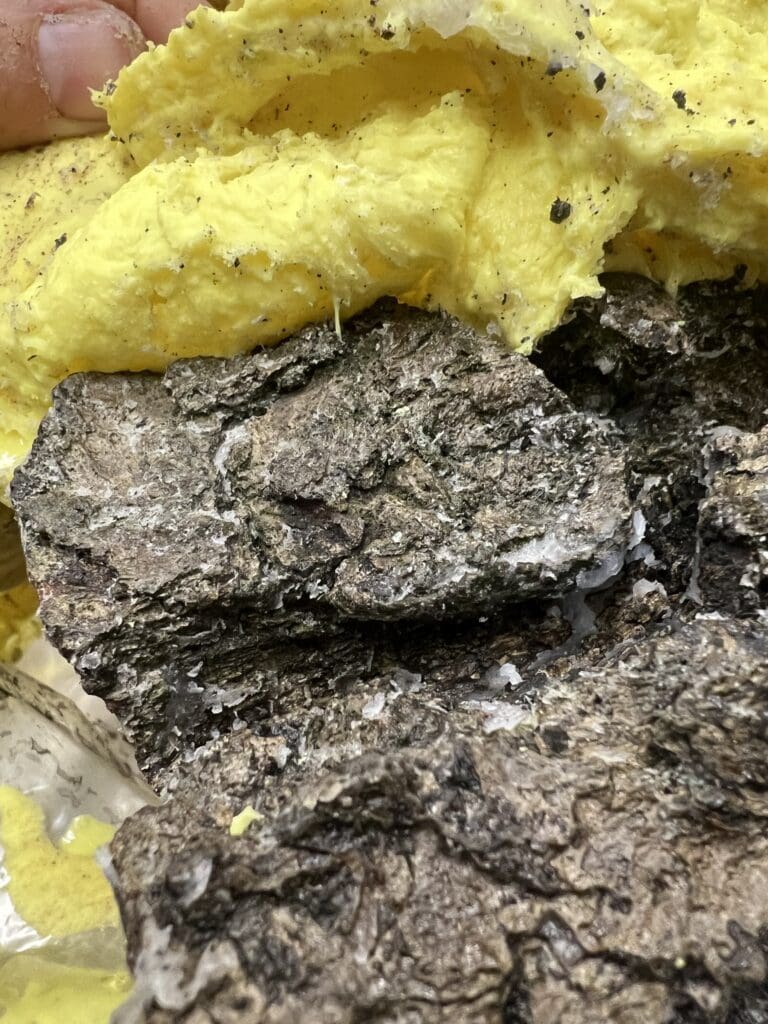
From there, I began experimenting, finding ways to bring each piece to life through its natural shapes and textures — the ridges, smooth and rough surfaces, and organic imperfections. Each visit to the forest brings new inspiration and opportunities to explore. The bark varies dramatically in size, from small fragments to large sheets. My largest birchbark casting to date, “The Island Girl,” measures 43” wide by 63” long.
To create each piece, I make a mold of the bark, which can typically be reused three to four times before it begins to tear from use. No two castings are ever the same. Some include bits of natural bark embedded within the concrete, and the pigment variations ensure that each piece remains entirely unique.
A limited quantity of "Island Girl" castings now reside in the homes of a select few across the Chicagoland area, Michigan, and Wisconsin. With only four pieces created per mold, each one stands as a quiet, lasting tribute to the beauty of nature—and to the deeper sense of connection it continues to awaken in me.
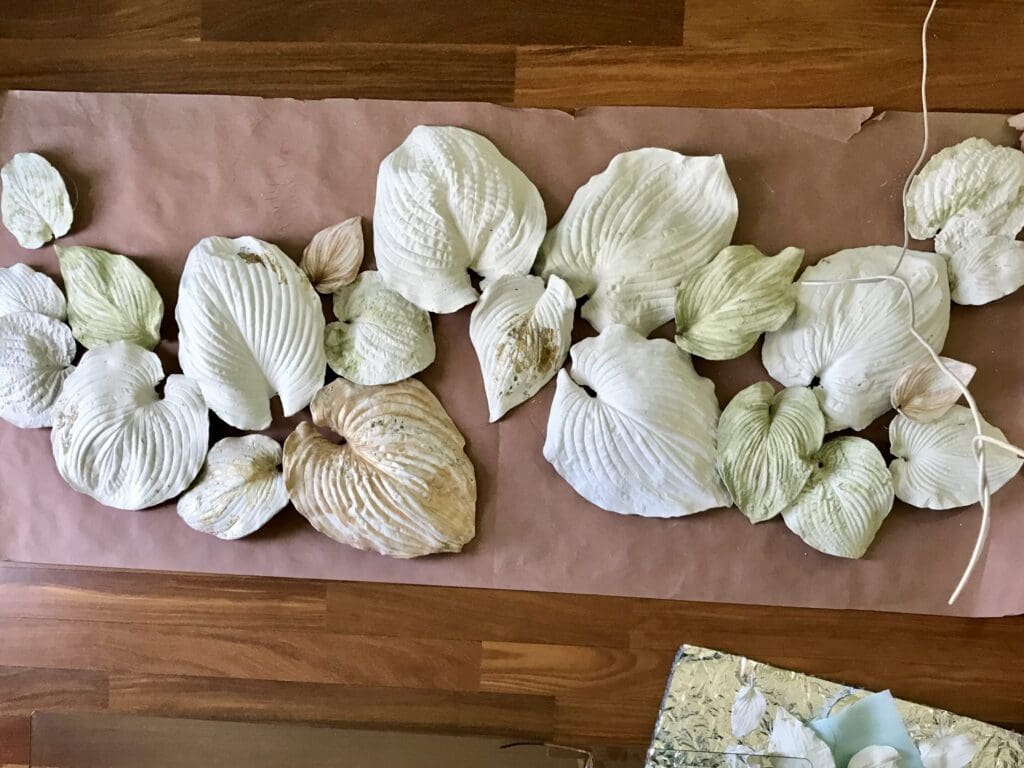
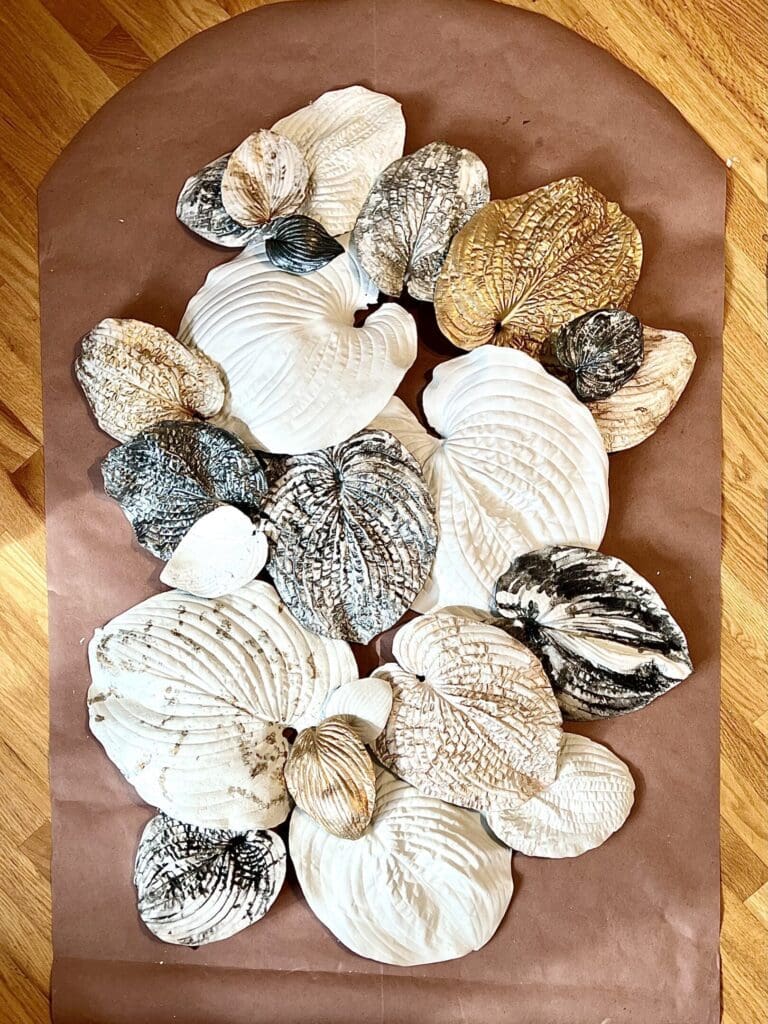
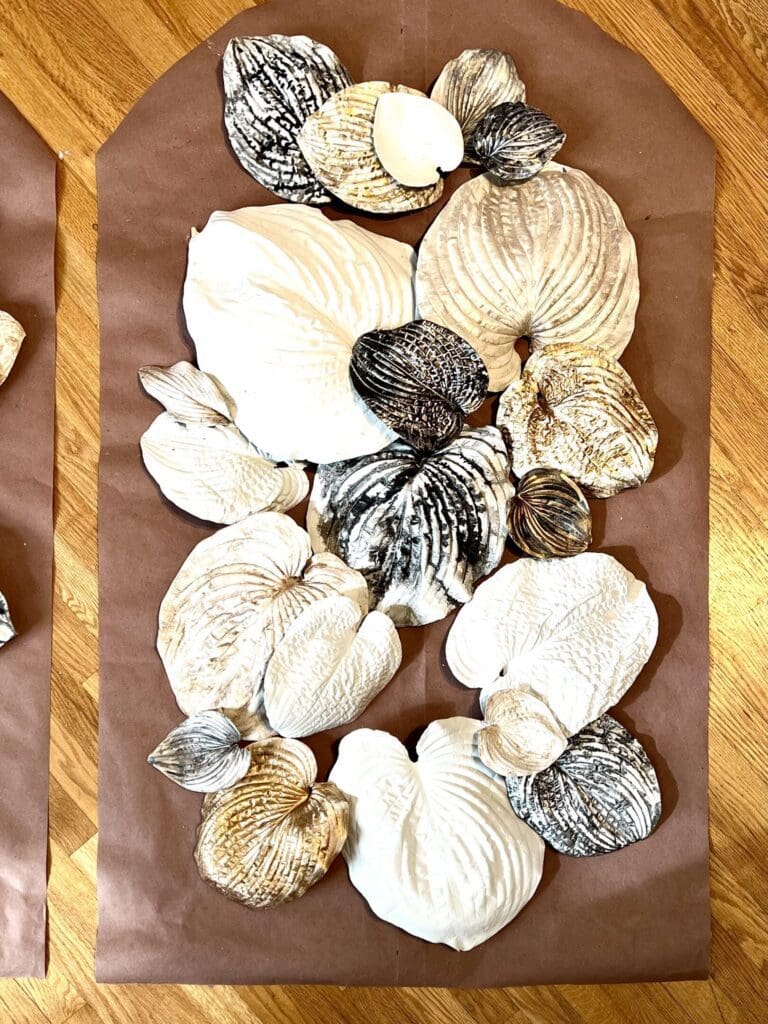
These are examples of final layout's awaiting client approval.
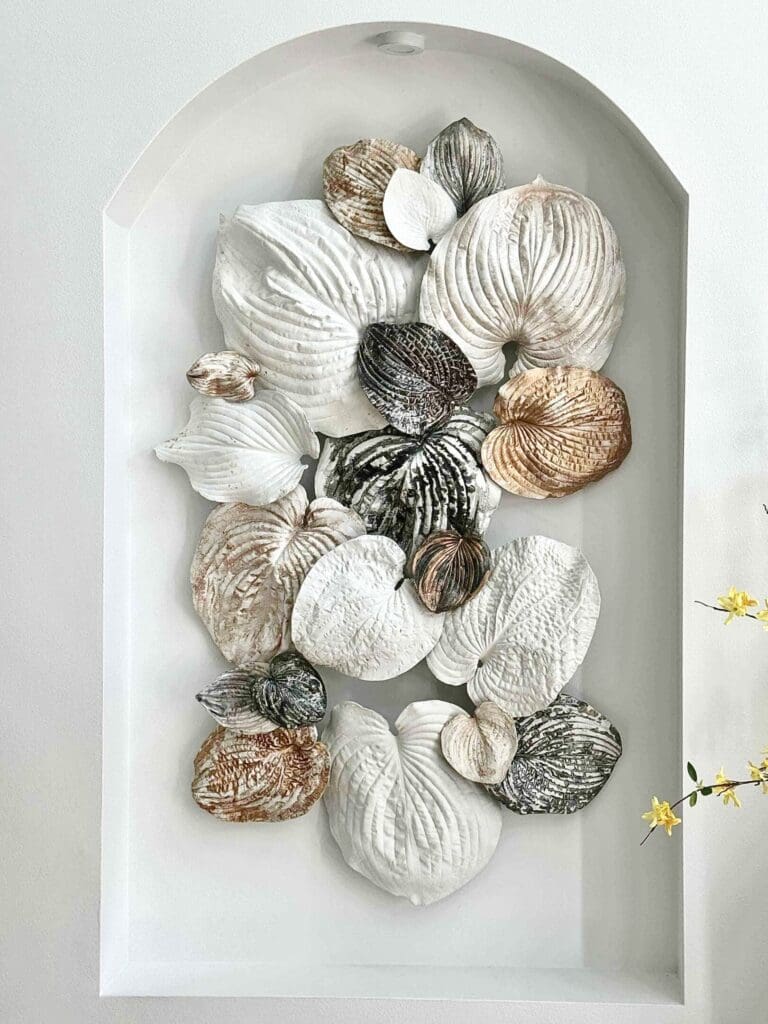
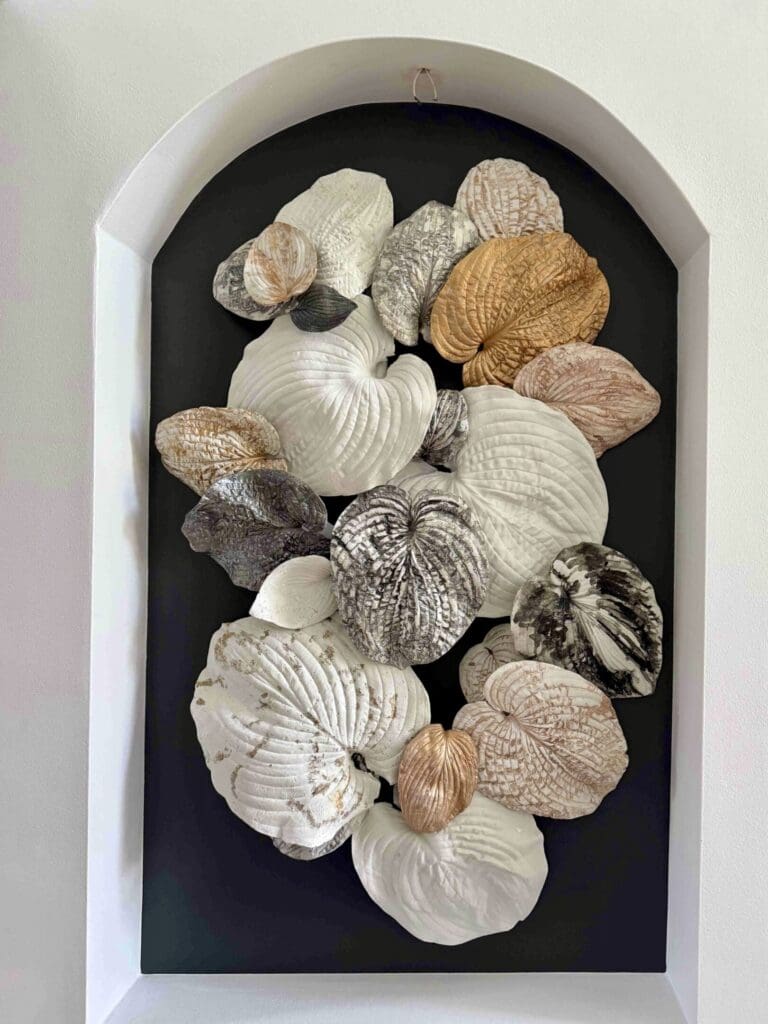
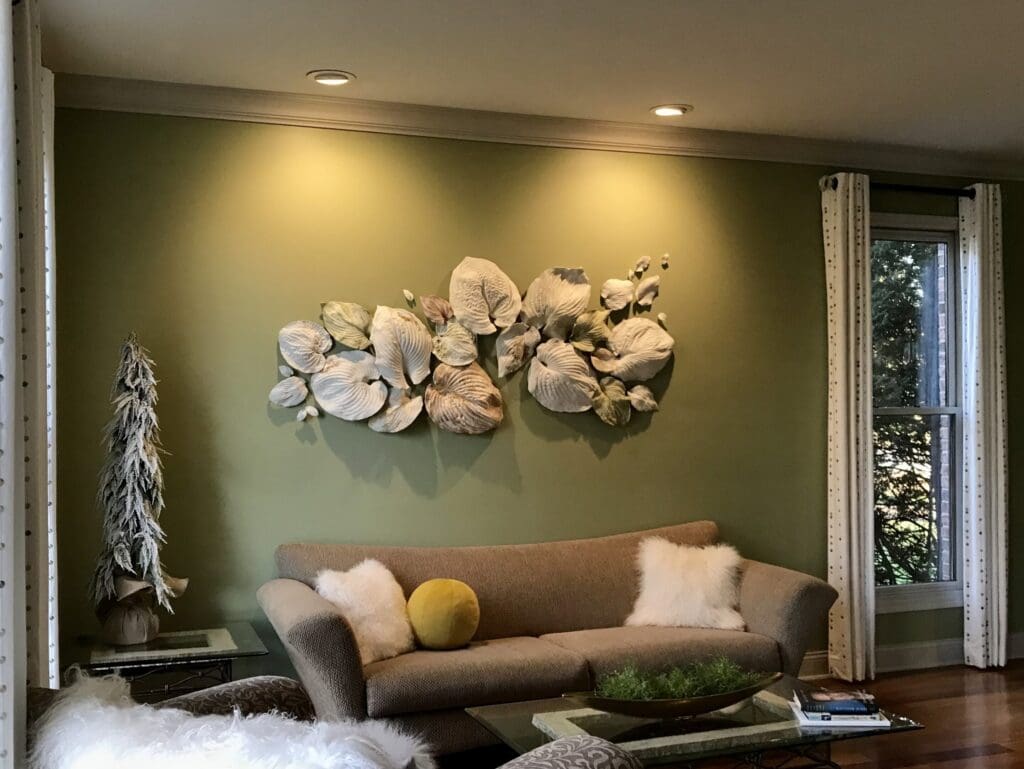
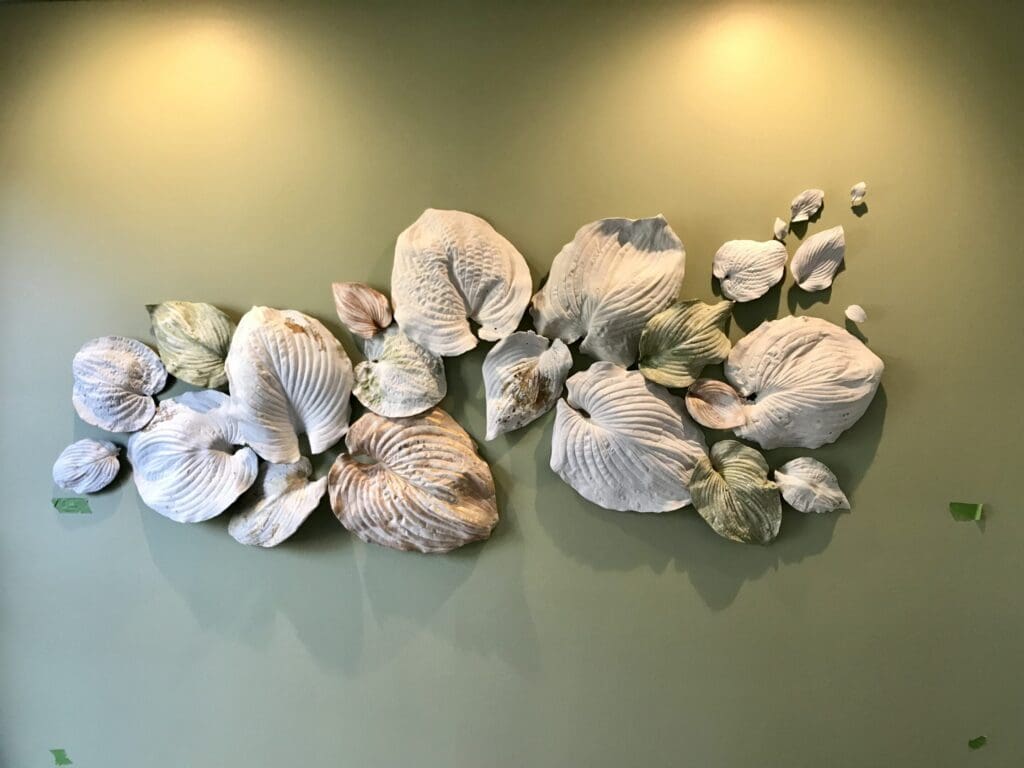
These are examples of installed custom pieces (the last image is a close-up).